
Your Materials Inspiration Starts here.
Surface Shop is an expansive purveyor of exquisite natural stone products from around the globe. Whether you’re brushing up on the difference between marble and limestone on Surface Culture, our wide-ranging blog, or working with one of our national distributors on a personal project, we’re excited you’re here.

Choosing the right floor can completely change the feel of an interior, and natural stone remains one of the most timeless ways to bring texture, character, and lasting value into a home. From kitchens and bathrooms to living rooms, entryways, and other everyday spaces, natural stone flooring offers a level of depth and variation that manufactured surfaces often cannot replicate.
In this guide, we explore 10 natural stone flooring ideas for indoor spaces, highlighting how different materials can shape the look and mood of a room. Whether you are drawn to the elegance of marble, the warmth of limestone, or the texture of slate and sandstone, these examples will help you compare styles and imagine what natural stone tile flooring could look like in your home. If you are planning a natural stone flooring project and want to explore samples, pricing, or product options, browse our Natural Stone Flooring collection to see the full range of available finishes and formats.
Natural stone flooring is especially appealing indoors because it combines durability with a level of visual richness that feels difficult to replicate. Each material has its own texture, color variation, and character, which allows homeowners and designers to shape spaces that feel anything from soft and understated to dramatic and architectural.
That flexibility is one of the reasons natural stone works so well across a wide range of interior applications. A honed limestone floor can create a calm, timeless backdrop in a kitchen or living room, while marble, slate, granite, or quartzite can bring a more distinct mood depending on the palette and style of the home. The ideas below highlight how different stone flooring materials can be used to create warmth, elegance, texture, and lasting character in indoor spaces.
Before looking at each material in more detail, it helps to narrow the field based on the type of room you are designing and the mood you want to create. Some natural stone flooring materials are better suited to refined, low-contrast interiors, while others stand out for their texture, durability, or dramatic visual impact. If you want a broader material comparison before exploring these ideas, see our guide to types of stone flooring.
Best for kitchens: Limestone, granite, and quartzite are strong choices for kitchens because they offer durability while still giving the space a natural, elevated feel. Honed limestone flooring is especially appealing when you want a softer, more timeless interior palette.
Best for bathrooms: Marble and slate are two of the most compelling natural stone flooring ideas for bathrooms. Marble creates a refined, luxurious look, while slate adds texture and character in spaces where a more grounded, organic feel is preferred.
Best for living rooms: Limestone, travertine, and sandstone work well in living rooms because they help create warmth and visual softness. These materials are especially effective in interiors that lean relaxed, classic, Mediterranean, or rustic.
Best for modern interiors: Cashmere flooring, honed limestone, basalt, and some quartzites are ideal when the goal is a cleaner, more architectural look. These options pair especially well with restrained palettes, larger formats, and contemporary detailing.
Best for warm, timeless interiors: Limestone and travertine remain two of the strongest options for homeowners who want a natural stone floor with warmth, subtle movement, and long-term design flexibility.
Best for dramatic luxury spaces: Marble and onyx create the most visually striking interior effect. They are best used where bold veining, richer contrast, or a statement finish is part of the design direction.
Best for busy indoor spaces: Granite and quartzite are strong choices for high-use areas where durability matters, especially in homes that need a stone floor with a more practical, hardworking character.
Natural stone flooring offers a rare combination of beauty, durability, and design flexibility, making it one of the most enduring choices for indoor spaces. In the sections below, we explore how different stone materials can shape the mood of a room, from soft and timeless to bold and dramatic, while highlighting the kinds of interiors where each one works best.
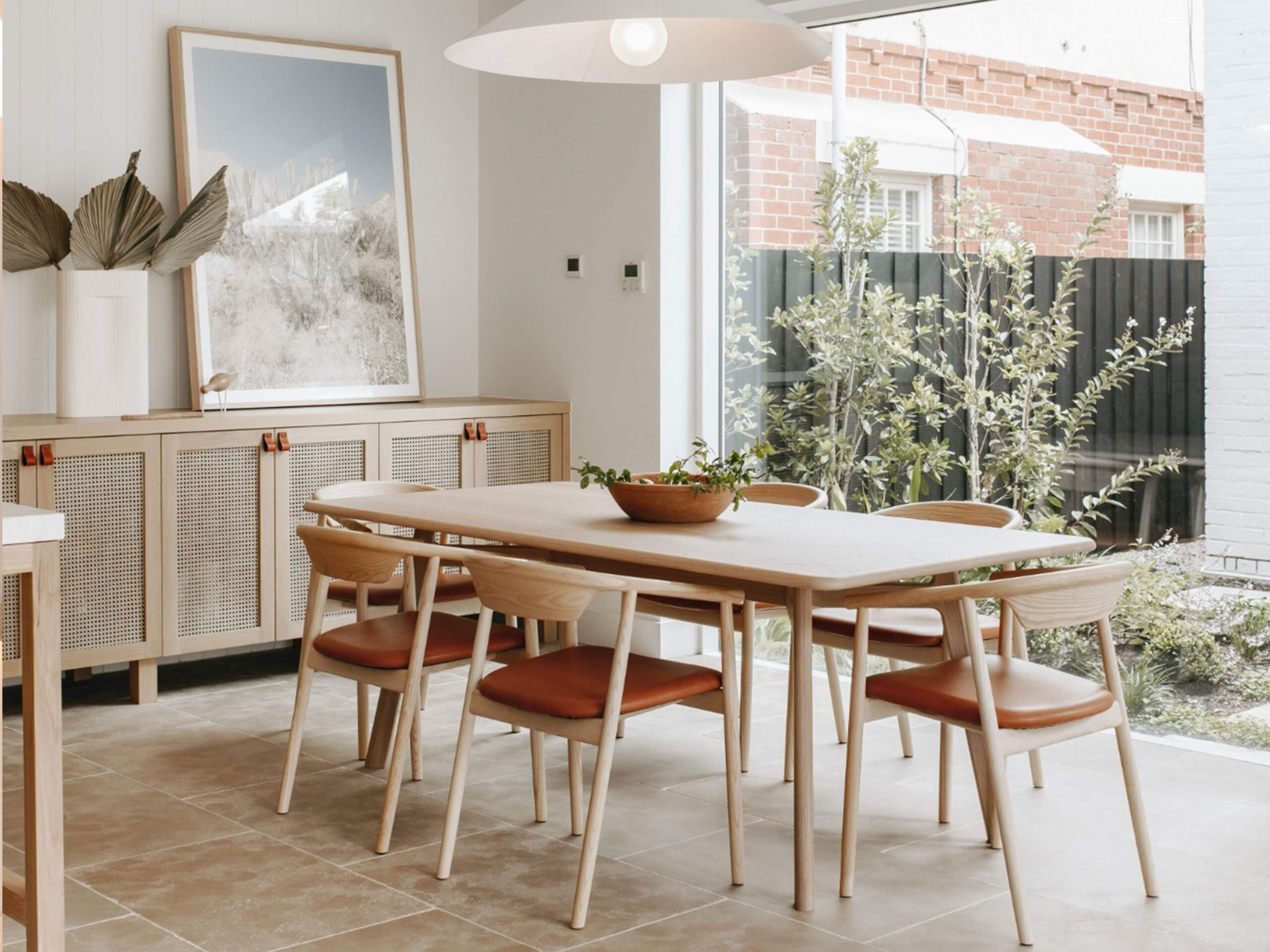
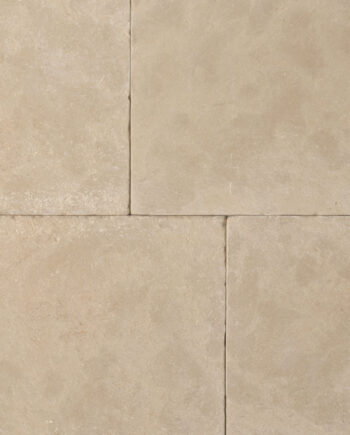
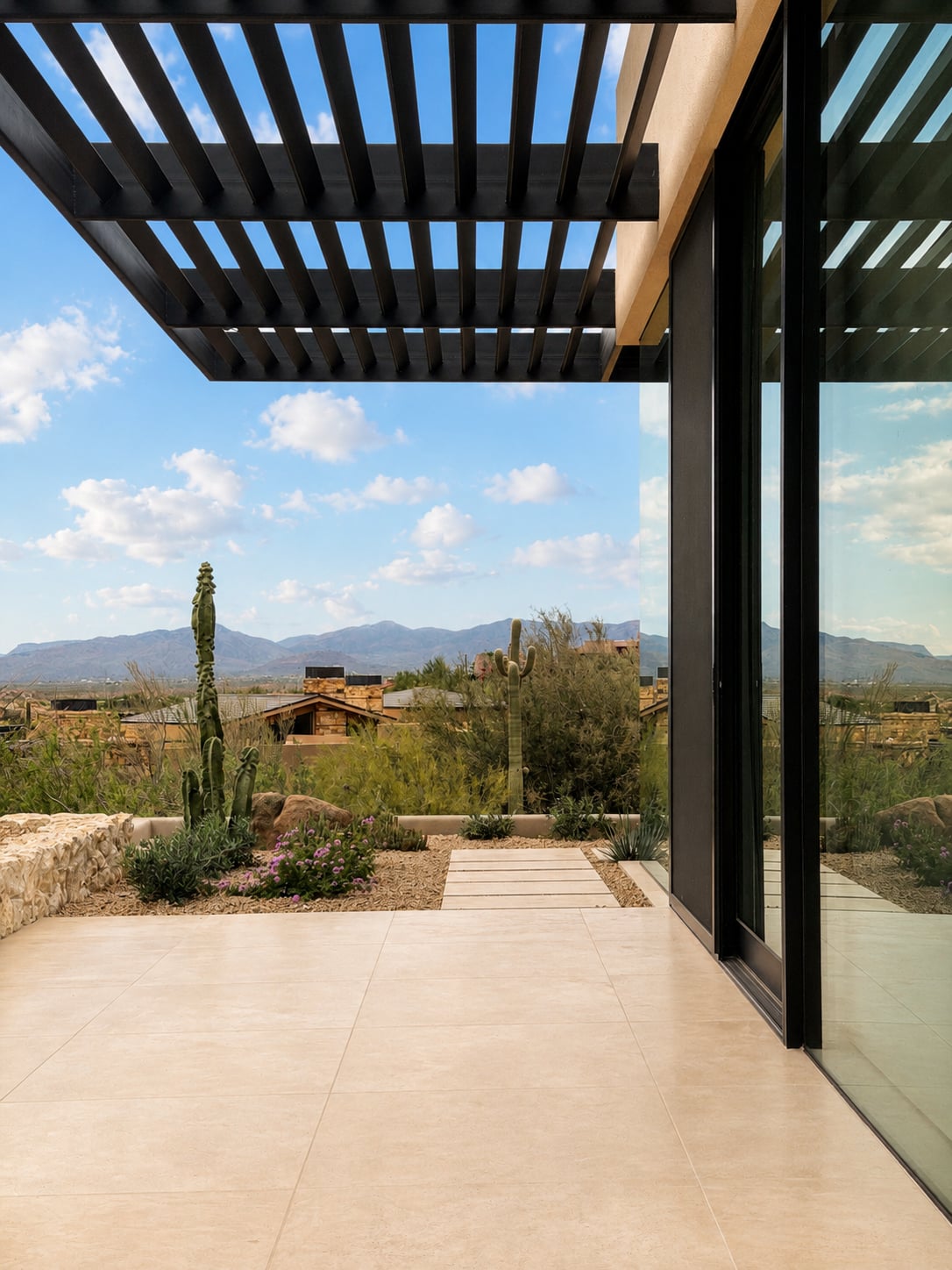
Limestone flooring is one of the most versatile choices for creating warm, welcoming interiors. Its soft natural character, subtle tonal variation, and understated elegance make it especially appealing in spaces that aim for a timeless look rather than a highly polished or dramatic effect. Whether used in kitchens, bathrooms, living rooms, or entryways, limestone has a way of making interiors feel calm, grounded, and architecturally refined.
One of limestone’s defining qualities is its relatively smooth texture and gentle visual movement, which help it feel softer and more approachable than many harder, more dramatic stones. That balance makes it especially effective in homes where the goal is to create a natural palette with lasting appeal. Honed limestone flooring is ideal when you want a cleaner, more tailored finish, while tumbled limestone flooring brings a more relaxed, time-worn character that suits classic and rustic interiors.
Limestone is also highly adaptable in the way it can shift stylistically from one interior to another. Lighter creams and warm beiges can make a room feel airy and timeless, while cooler greys and more textured surfaces can push the look in a more modern or architectural direction. For spaces where pattern and modular layout are part of the design story, limestone brick flooring adds texture, rhythm, and old-world charm in a way that feels especially well suited to kitchens, mudrooms, laundry rooms, and other highly considered interiors.

Marble flooring remains one of the most iconic choices for interiors because of its natural elegance, luminous surface, and distinctive veining. It brings an immediate sense of refinement to a space, making it especially appealing in bathrooms, foyers, living rooms, and other interiors where the goal is to create a more elevated and timeless atmosphere.
One of marble’s greatest strengths is the way it reflects light while still offering depth and movement. Some varieties feel soft and understated, while others create a more dramatic statement through stronger contrast and bolder veining. That range allows marble to work across both classic and contemporary interiors, depending on the palette and finish selected.
As a design idea, marble flooring is especially effective when you want the floor itself to become part of the visual identity of the room. It can help a space feel brighter, more expansive, and more luxurious, whether the overall look is calm and restrained or layered and high contrast.
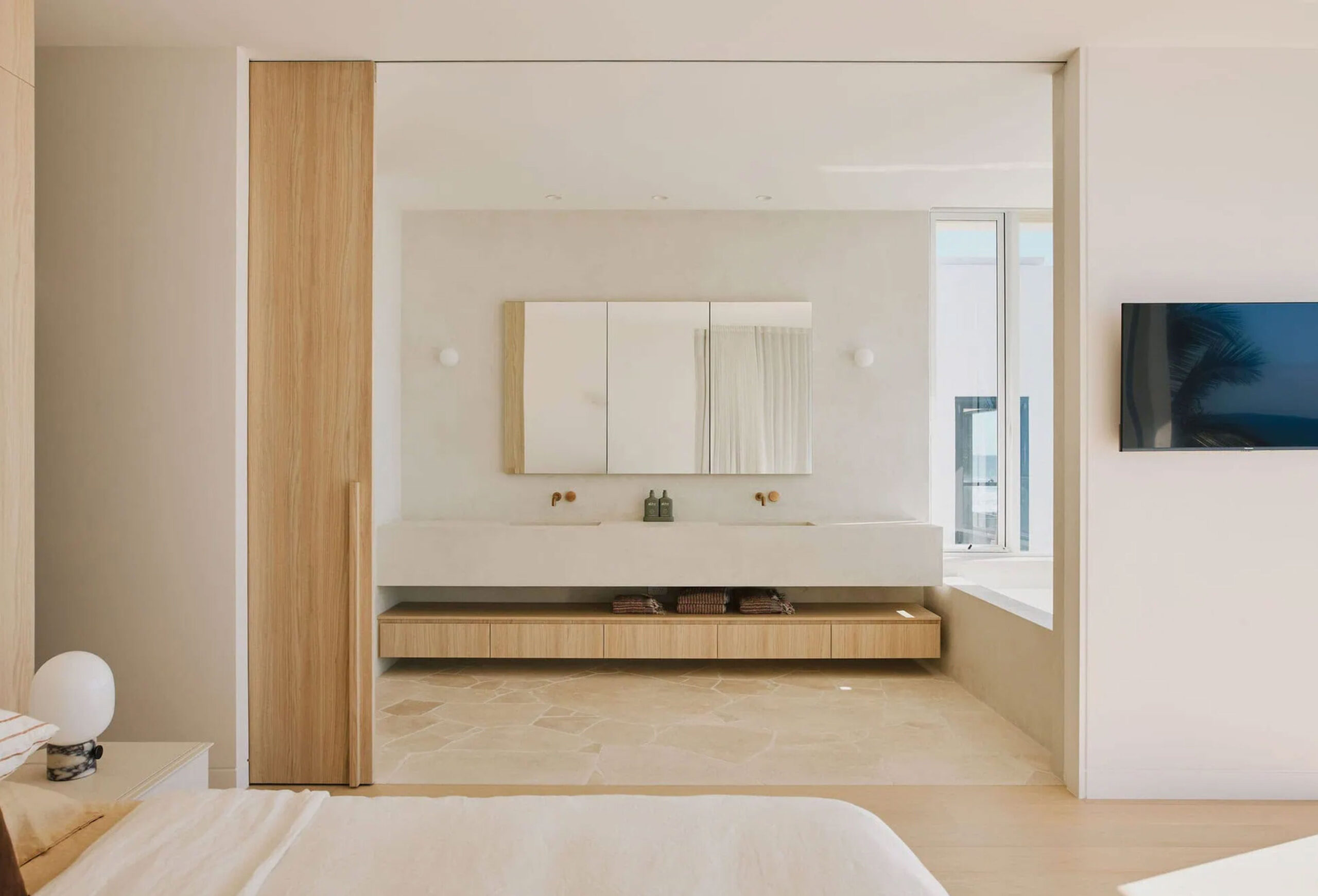
Travertine flooring is one of the most recognizable ways to bring warmth and old-world character into an interior. Its earthy tones, natural variation, and subtly aged surface make it especially appealing in homes that lean Mediterranean, rustic, traditional, or casually elegant rather than highly polished or formal.
In indoor spaces, travertine works especially well where a softer, more relaxed atmosphere is desired. Kitchens, living rooms, entryways, and bathrooms can all benefit from its natural texture and warm palette, particularly when the goal is to create a room that feels inviting, timeless, and connected to natural materials.
One of travertine’s biggest strengths is the way it balances character with versatility. It can feel rustic and weathered, or more refined depending on the finish, setting, and format selected. Irregular layouts tend to feel more organic and relaxed, monoformat installations read cleaner and more architectural, and French pattern layouts reinforce the old-world character that makes travertine so appealing in timeless interiors. Because it is so often compared with limestone in both look and application, it also serves as a helpful reference point when evaluating warm-toned stone flooring materials. For a closer look at how the two differ, see our guide to travertine vs limestone.
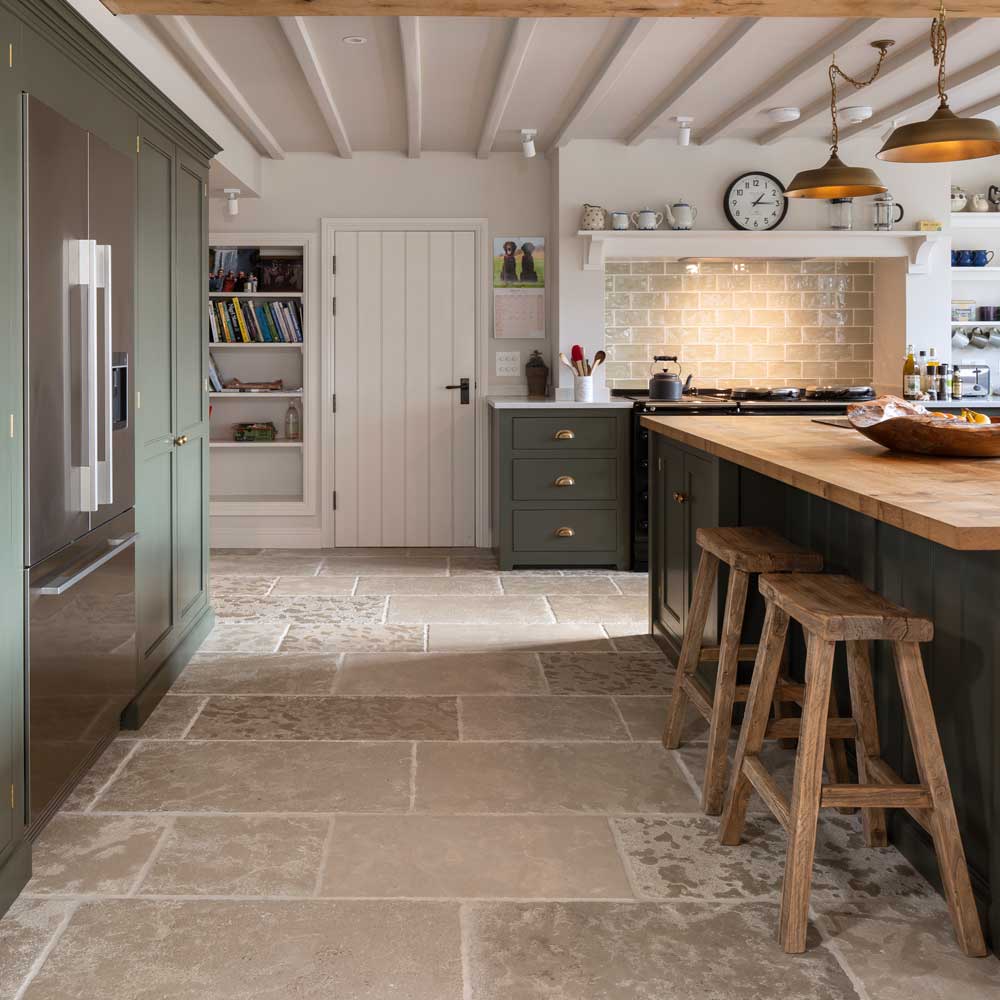
Sandstone flooring is a strong choice for interiors that call for warmth, texture, and a more natural, easygoing character. Its earthy color variation and lightly textured surface give it a softer visual effect than many denser stones, which makes it especially appealing in rooms designed to feel relaxed, organic, and connected to natural materials.
In indoor spaces, sandstone works particularly well where a home leans rustic, coastal, casual, or nature-inspired in its overall palette. Living rooms, sunrooms, bedrooms, and transitional spaces can all benefit from its visual warmth, especially when the goal is to create an interior that feels inviting rather than formal.
One of sandstone’s biggest strengths is the way it brings movement and warmth without feeling overly polished. Depending on the tone and format selected, it can read as quietly understated or more expressive and textural. Sandstone is also frequently compared with limestone, since both materials share a timeless earthy appeal while creating different effects depending on the room and design direction. For a closer look at how the two differ, see our guide to limestone vs sandstone.
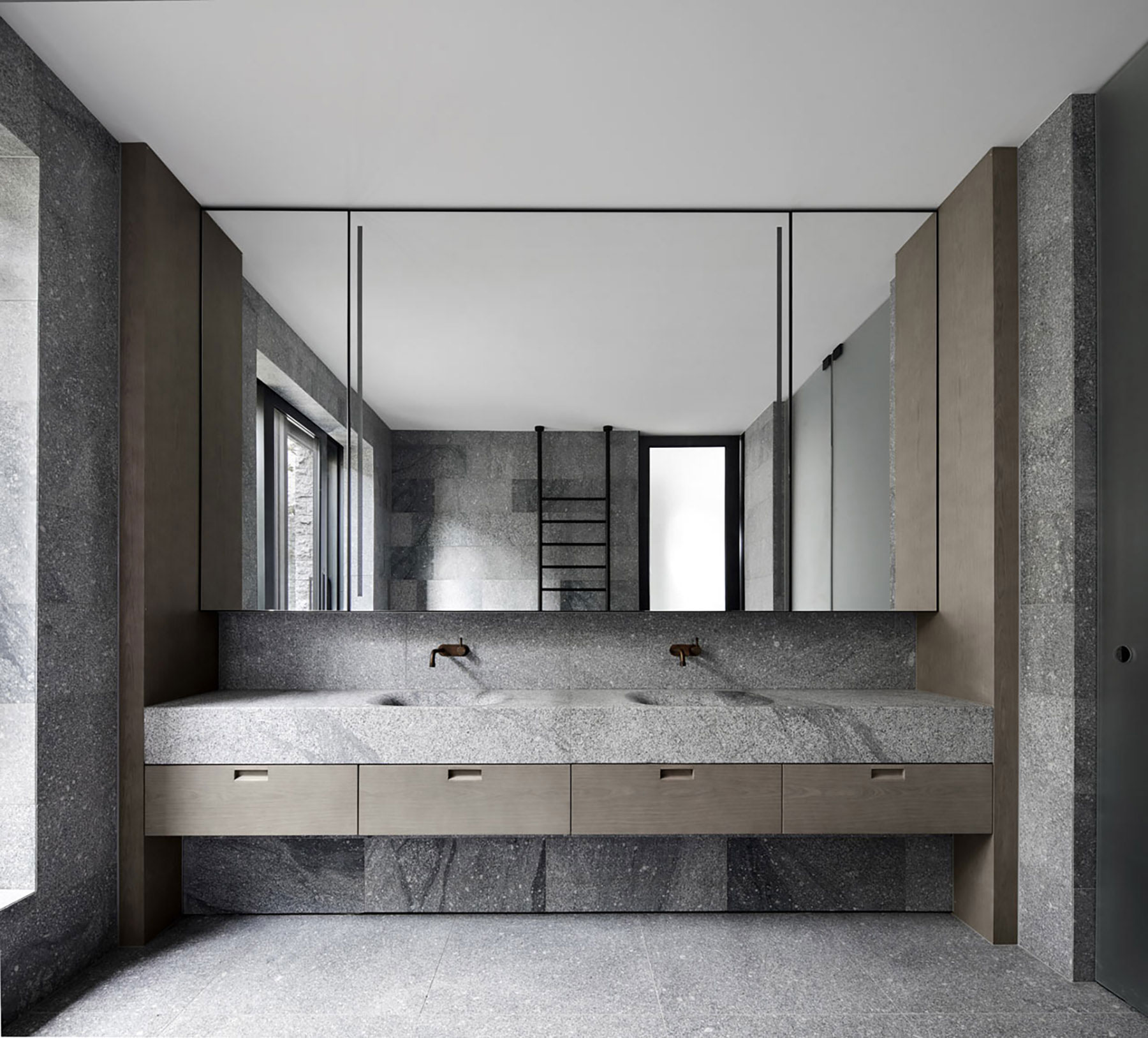
Granite flooring is a strong choice for interiors that need durability without losing a sense of refinement. Its dense structure, distinctive movement, and broader tonal range make it especially appealing in rooms where the floor needs to feel substantial, hardworking, and visually grounded.
In indoor spaces, granite works particularly well in kitchens, bathrooms, mudrooms, utility areas, and more modern interiors where a bolder stone surface can support the overall design. Depending on the color and finish selected, granite can read as sleek and architectural or rich and dramatic, which gives it more stylistic range than many homeowners initially expect.
One of granite’s biggest strengths is that it combines a more durable, practical character with strong visual presence. Rather than fading into the background, granite flooring often helps define the mood of a room, especially when paired with clean cabinetry, darker accents, or a more restrained architectural palette..
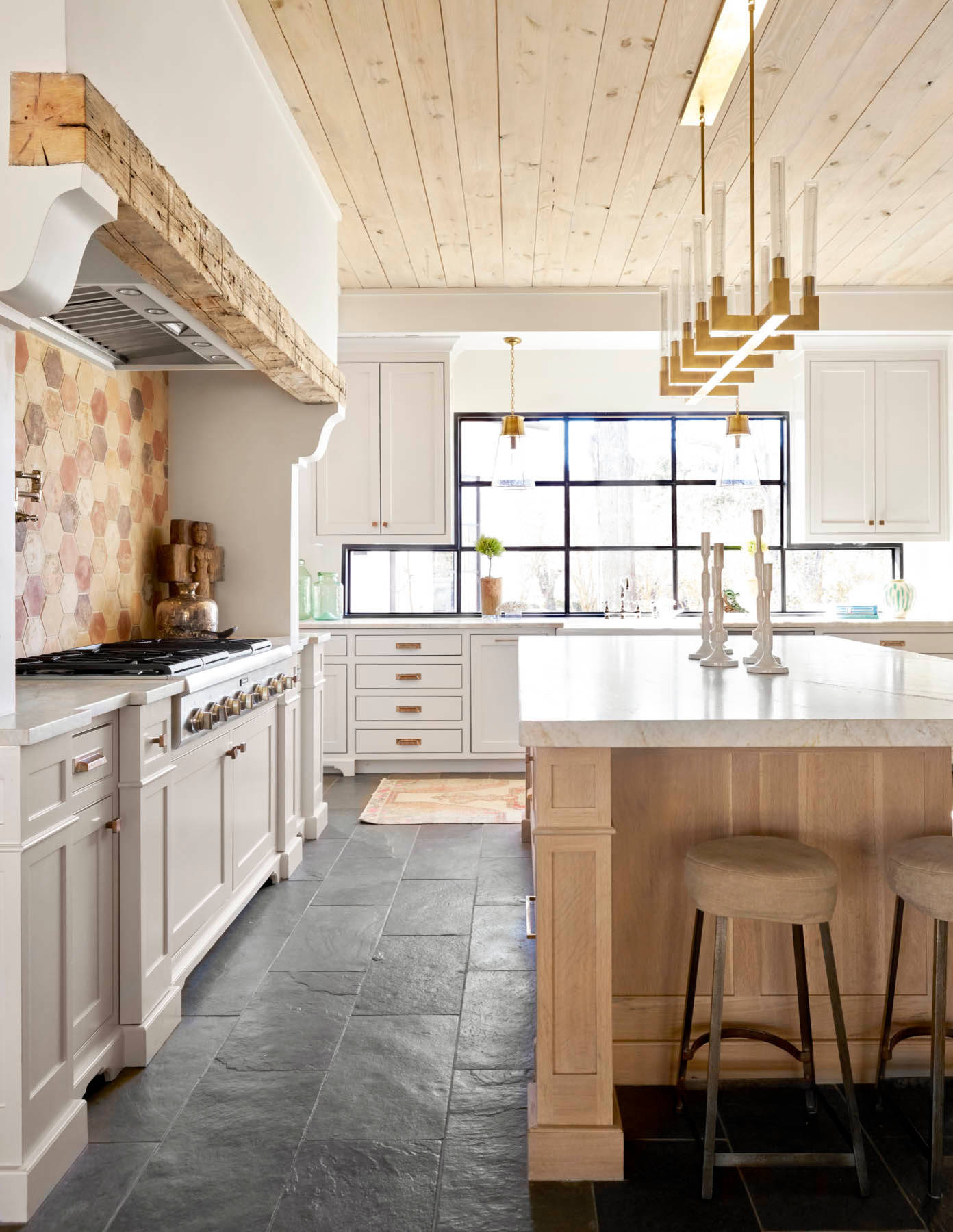
Slate flooring is well regarded for its tough, organic beauty and longevity, making it a great option for contemporary and rustic decor.
Slate flooring is a natural fit for interiors that benefit from texture, depth, and a more grounded sense of character. Its layered surface, tonal variation, and organic feel make it especially appealing in homes that lean rustic, contemporary, or quietly dramatic rather than highly polished or formal.
In indoor spaces, slate works especially well in bathrooms, mudrooms, entryways, kitchens, and other rooms where a more tactile, nature-led material can strengthen the overall design. It brings visual interest even when the palette is restrained, which makes it a strong option for interiors that want subtle movement without relying on bold veining or shine.
One of slate’s biggest strengths is the way it combines durability with a distinctive natural surface. Depending on the color selected, it can feel moody and architectural or warm and earthy, giving it more range than many people expect from a heavily textured stone floor.
Quartzite flooring is a compelling option for interiors that need both durability and a more elevated visual presence. Its dense structure, subtle crystalline movement, and naturally varied surface make it especially appealing in homes where the floor needs to feel strong, refined, and visually distinctive at the same time.
In indoor spaces, quartzite works especially well in kitchens, bathrooms, entryways, and open-plan living areas where a harder-wearing stone is needed without sacrificing design value. Depending on the variety selected, quartzite can feel calm and understated or more luminous and expressive, which gives it broad appeal across both modern and timeless interiors.
One of quartzite’s biggest strengths is the way it combines resilience with visual depth. It offers some of the practical confidence people associate with denser stones, while still bringing movement, nuance, and a more premium feel to the room.
Basalt flooring is a strong option for interiors that lean modern, minimalist, or architectural in tone. Its fine-grained texture, darker palette, and understated surface give it a cleaner, more restrained look than many other natural stones, making it especially appealing in spaces where simplicity and material clarity matter.
In indoor settings, basalt works well in bathrooms, entryways, kitchens, and contemporary living spaces where the floor is meant to support a calm, structured design language. Rather than acting as a highly expressive surface, basalt tends to create a more grounded and intentional backdrop.
One of basalt’s biggest strengths is its ability to feel refined without becoming decorative. It is especially effective in interiors built around darker accents, clean lines, and a quieter material palette.
Onyx flooring is best thought of as a statement material for interiors that lean highly decorative, luxurious, or visually dramatic. Its layered translucency, rich color variation, and flowing movement make it one of the most distinctive natural stones on the page, but also one that works best when used selectively and with a strong design point of view.
In indoor spaces, onyx is most effective in powder rooms, formal bathrooms, feature areas, and interiors where the flooring is meant to feel expressive rather than understated. It brings a sense of drama and rarity that can elevate a room when the rest of the palette is kept relatively controlled.
Pebble stone flooring offers a very different kind of natural stone idea, one that emphasizes texture, tactility, and a more organic connection to nature. Rather than creating a smooth or formal look, pebble stone introduces an intentionally irregular surface that feels relaxed, spa-like, and grounded.
In indoor spaces, pebble stone is most commonly used in bathrooms, showers, and smaller accent areas where its texture and natural variation can become part of the room’s atmosphere. It is less about broad architectural flooring and more about creating a distinct sensory and visual experience.
Once you have a sense of which stone types and visual directions feel right for your home, the next step is narrowing the material and finish that best match your interior style. Some natural stone flooring options feel cleaner and more architectural, while others bring a softer, more aged, or more traditional character to the room.
For refined, timeless interiors: Honed limestone flooring offers a cleaner, more tailored look that works beautifully in kitchens, bathrooms, and living spaces where subtle elegance is the goal.
For modern interiors: Cashmere flooring brings a more contemporary expression, combining a refined finish with a restrained palette that fits modern architectural interiors.
For aged, old-world character: Tumbled limestone flooring adds softness, texture, and a more relaxed sense of history, making it especially appealing in rustic, Mediterranean, or traditional interiors.
For patterned or modular layouts: Limestone brick flooring is ideal for interiors where layout, rhythm, and texture are part of the design story.
For coordinated flooring, wall tile, and cladding applications: Explore our AllClad™ natural stone tiles collection for a more integrated approach to interior stone surfaces.
To browse the full range: Explore our complete Natural Stone Flooring collection for more materials, finishes, and interior design possibilities.
Natural stone flooring works best when the material matches the mood, function, and style of the room. Limestone is a strong choice for timeless interiors, marble suits more elegant spaces, travertine and sandstone bring warmth and texture, and granite or quartzite work well where a stronger, more practical surface is needed.
Limestone, granite, and quartzite are all strong choices for kitchens, depending on the look you want to achieve. Limestone creates a softer and more classic feel, while granite and quartzite tend to suit interiors that need a stronger, more durable surface with a more architectural presence.
Marble and slate are two of the most compelling natural stone flooring ideas for bathrooms. Marble offers a refined and timeless look, while slate adds texture and a more grounded character in interiors that lean natural, rustic, or quietly dramatic.
Yes, natural stone flooring can work beautifully in living rooms, especially when the goal is to create a calm, timeless, and visually grounded interior. Limestone, travertine, sandstone, and some quartzites are especially appealing in living spaces because they bring warmth and natural variation without feeling overly formal.
Granite and quartzite are often among the easier natural stone flooring materials to live with in busy interiors because of their strength and more practical character. That said, the right finish, proper sealing, and routine cleaning all play an important role in how any stone floor performs over time.
Yes. Natural stone flooring can work extremely well in modern interiors when the material, finish, and format are selected carefully. Honed limestone, Cashmere flooring, basalt, granite, and some quartzites are especially effective in homes that favor cleaner lines, restrained palettes, and a more architectural design language.
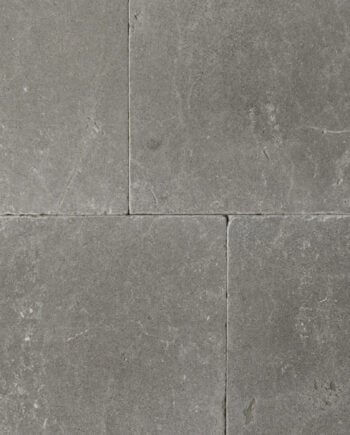
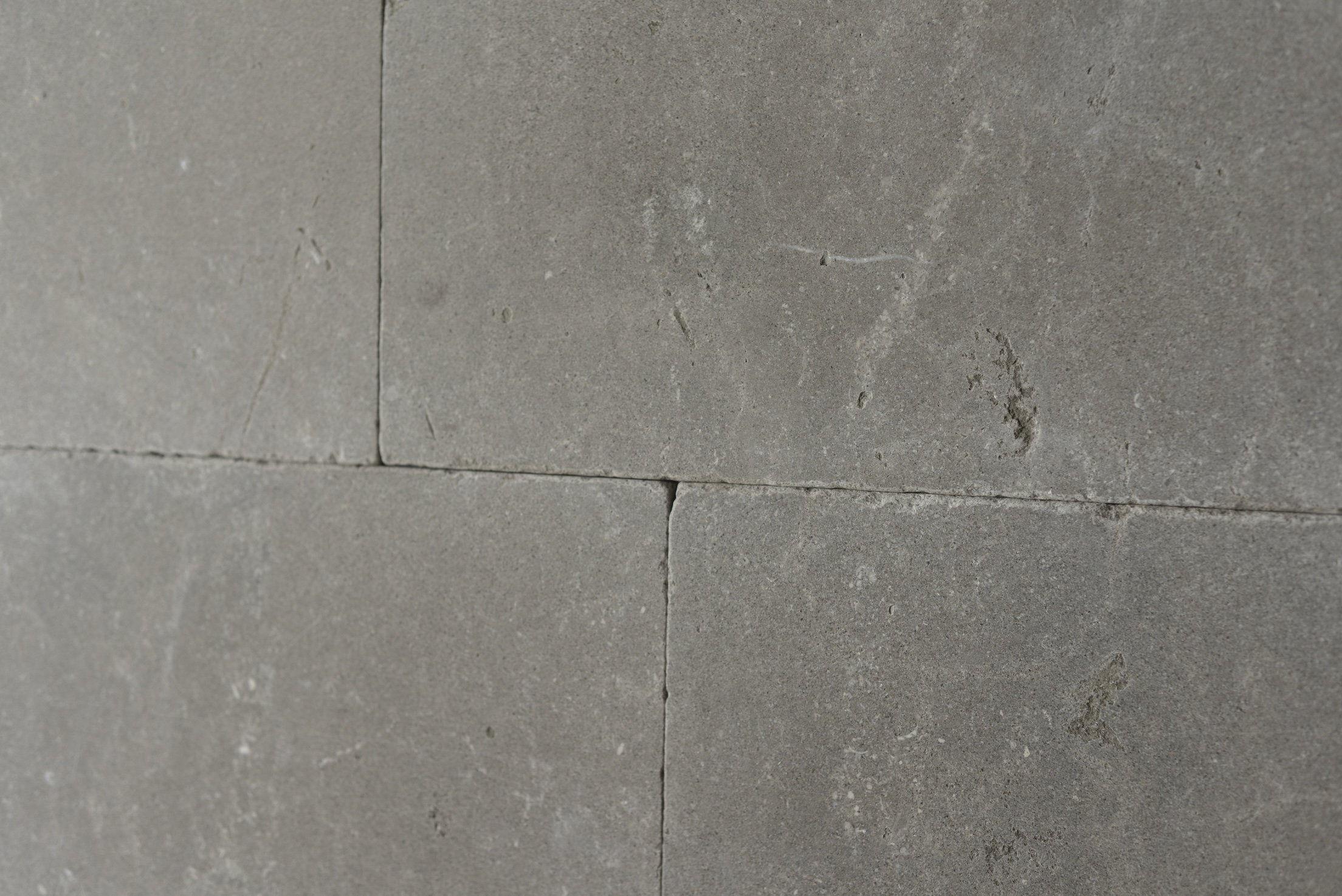
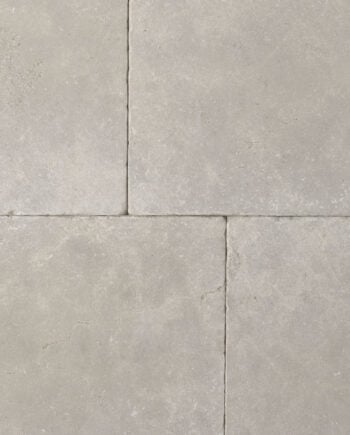
Discover your perfect stone floor with these hand-selected options from Surface Shop. Contact a Surface Shop Pro today to get your samples and pricing.










At Surface Shop, we believe there is a story behind every surface. That’s why we created Surface Culture, an industry leading digital publication that covers a range of topics from How To Guides to Architectural Trends in the world of luxury architectural finishes Browse our articles to dial in your knowledge of how surfaces impact architectural design, or simply use them to get inspired. Either way, we hope you enjoy, and wish you well on your journey toward appreciating materiality in architecture.



What are you looking for?