We Serve Clients Nationwide, Call us at (855) 696-9802 to Reserve Your Samples Today

Surface Shop Natural Stone Veneer Manufacturer

Your Materials Inspiration Starts here.

Surface Shop is an expansive purveyor of exquisite natural stone products from around the globe. Whether you’re brushing up on the difference between marble and limestone on Surface Culture, our wide-ranging blog, or working with one of our national distributors on a personal project, we’re excited you’re here.

8 Best Exterior Cinder Block Wall Covering Ideas

Improving your home’s curb appeal is crucial for raising its total worth and creating a fantastic first impression and, while exterior cinder block walls are durable, they rarely if ever look attractive on their own. Whether you’re dealing with a backyard retaining wall, a foundation wall, or an exposed block wall on a home, there are several ways to improve its appearance. From natural stone veneer and stucco finishes to modern cladding systems and landscaping solutions, this guide covers practical ideas for covering exterior cinder block walls and turning them into a design feature.

Covering exterior cinder block wall with stone veneer, this Origin TerraForm Veneer Cladding is used on Retaining Wall Adjacent to a Home
Origin TerraForm used for exterior cinder block wall covering

One essential component in doing this is using eye-catching external wall coverings. They are renowned for their strength and adaptability and exterior cinder block walls are a prime candidate for a variety of different wall coverings not just because they often lack the visual appeal that homeowners want, but because they are inherently structural, meaning they can hold high end and durable wall coverings like stone, stucco, or brick.If you’re exploring different materials, it can help to understand the various types of exterior house stone commonly used on residential facades and exterior walls.

It should also be stated however that, while these concrete block walls are durable and strong, if not treated properly, they may require some prep before you can improve their very boring and industrial appearance. 
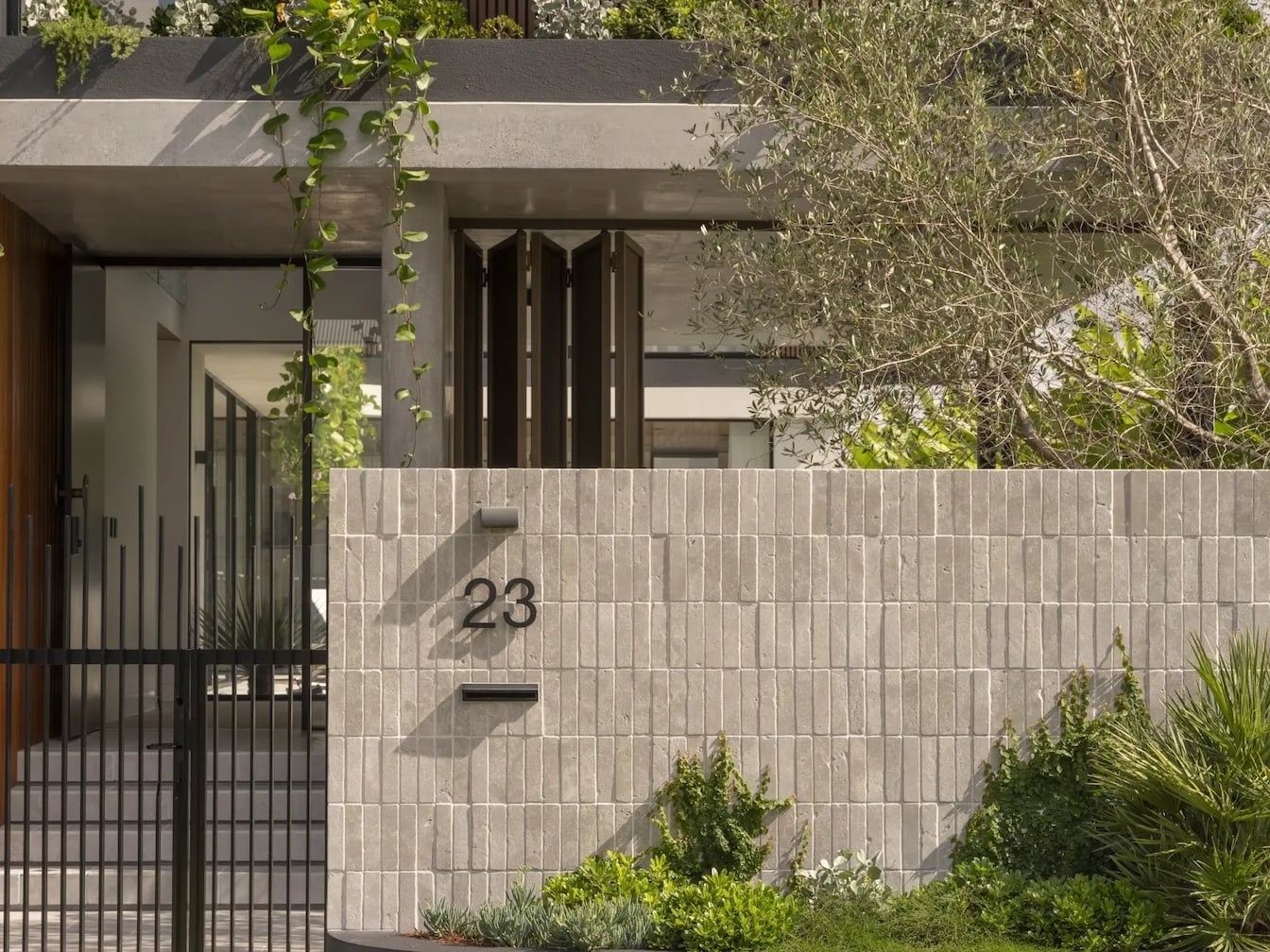
Tumbled grey stone bricks soldier stacked vertically is an excellent idea on how to make cinder block wall look nice
Sienna Grey Bricks straight stacked vertically tremendously improve curb appeal on this exterior front facing cinder block wall

Surface Shop has been in the business of making walls, especially dull, boring exterior cinder block walls, look amazing using natural stone veneer products from around the world. You can browse real exterior stone veneer applications to see how natural stone can transform block walls into beautiful architectural features.

Natural stone veneer is often one of the most dramatic upgrades, and many homeowners compare it to other siding options before starting a project. If you’re evaluating materials, you may also want to review the typical stone veneer siding cost and understand the differences between natural stone veneer vs manufactured stone when deciding which option is right for your home.

This blog post provides homeowners with original ideas—including natural stone as well as several other approaches—for covering exterior cinder block walls so they look amazing instead of like a bland eyesore.

We can help you decide whether to paint cinder block walls a different color or just make your cement block walls seem better overall. Here are eight great home improvement ways to improve the look of your cinder block walls and give the outside of your house more character and charm.

Comparing Exterior Cinder Block Wall Covering Options

Before choosing a solution, it helps to compare the most common ways to cover exterior cinder block walls, including differences in cost, installation difficulty, and long-term durability.

Comparison of exterior cinder block wall covering methods based on cost, installation difficulty, and durability.

Method Difficulty Cost Range Longevity
Natural Stone Veneer Medium-High $$$ 50+ Years
Exterior Brick Veneer High $$$ 50+ Years
Climbing Plants Low $ 5-10 Years
Faux Stone Veneer Medium-High $$+ 10-15 Years
Vinyl Siding Medium $$ 15-20 Years
Stucco Medium-High $$+ 10-20 Years
Murals Low $$ 5-10 Years
Wood Panels Medium-High $$$ 15-25 Years

Natural Coverings

Adding natural features to any manmade outdoor spaces has an indisputable appeal. They produce a harmonious fit with the surroundings and improve aesthetics.

Natural coverings have a special ability to breathe new life and vitality into otherwise simple and functional constructions, such as cinder block walls.

Natural coverings are aesthetically pleasing and functional because of their adaptability and timeless appeal.

They can provide texture, soften the hard edges of concrete block walls, and make the space feel cozier and more natural look. In this section, we’ll look at two common natural covering solutions: stone veneer and climbing plants.

1. Stone Veneer

Costa TerraForm makes a beautiful debut on this cement block fence entryway.
Sun Valley Ashlar Grey Gold Limestone used on exterior side wall of high end residence which includes a textured black water fall
Whitsunday Limestone Veneer adorns this patio wall that was once painted cinder block.
Previous slide
Next slide

Stone veneer is one of the most effective ways to cover an exterior cinder block wall, giving it a classic natural stone appearance. Here are the various kinds of stone veneer, along with installation guidelines and methods for a smooth finish. 

Types of Stone Veneer

  • Natural Stone Veneer: Real stone provides the most genuine appearance. Cost can vary, but is unmatched in durability.
  • Manufactured Stone Veneer: This less complicated-to-install alternative resembles natural stone and is made of lightweight materials like concrete and pigment.
  • Cultured Stone Veneer: This material resembles artificial stone, but it frequently contains fiberglass or acrylic to lighten its weight and increase longevity.

Installing Stone Veneer on Cinder Block Walls

  • Surface Preparation: Thoroughly wipe off the cinder block wall to remove dirt or debris. Most of the time you’ll want to use some form of a moisture barrier, especially in humid regions like Florida.
  • Application of Adhesive or Mortar: Prepare mortar according to the manufacturer’s recommendations. Use the correct adhesive, such as a polymer modified thinset for the stone veneer being installed.
  • Stone Positioning: Begin at the bottom and work your way up. Each stone should have a thick layer of cement or glue applied to the back before being firmly pressed into the wall.

Techniques for a Natural and Seamless Appearance

  1. Joint Staggering: Steer clear of vertical joint alignment. To evoke the unpredictability of natural stone, space them apart.
  2. Blending Stones: To achieve a more organic appearance and to harmonize colors, combine stones from several boxes.
  3. Shaping Stones: To shape stones, use a chisel or saw to fit them snugly around corners and uneven surfaces.

Common Challenges and Considerations

  • Corner and Edge Treatments: To create a smooth edge wrap, use corner pieces if they are available.
  • Grouting: Use grout or cement to close up spaces between stones. Smooth the joints with a trowel for a finished appearance.
  • Sealing: To ensure the stone veneer’s long-lasting resilience, use a sealant to shield it from moisture and stains.

Surface Shop offers a complete lineup of natural stone veneer products, ranging from traditional loose drystack masonry to high-output panel systems and large-format natural stone tiles in some of today’s most popular colors and finishes. These systems make it possible to transform plain concrete block walls into striking exterior design features.

You can also browse real exterior stone veneer projects to see how natural stone can transform plain block walls into beautiful exterior installations. By carefully choosing and installing the right veneer system, homeowners can give cinder block walls a more organic appearance while dramatically improving curb appeal and long-term durability.
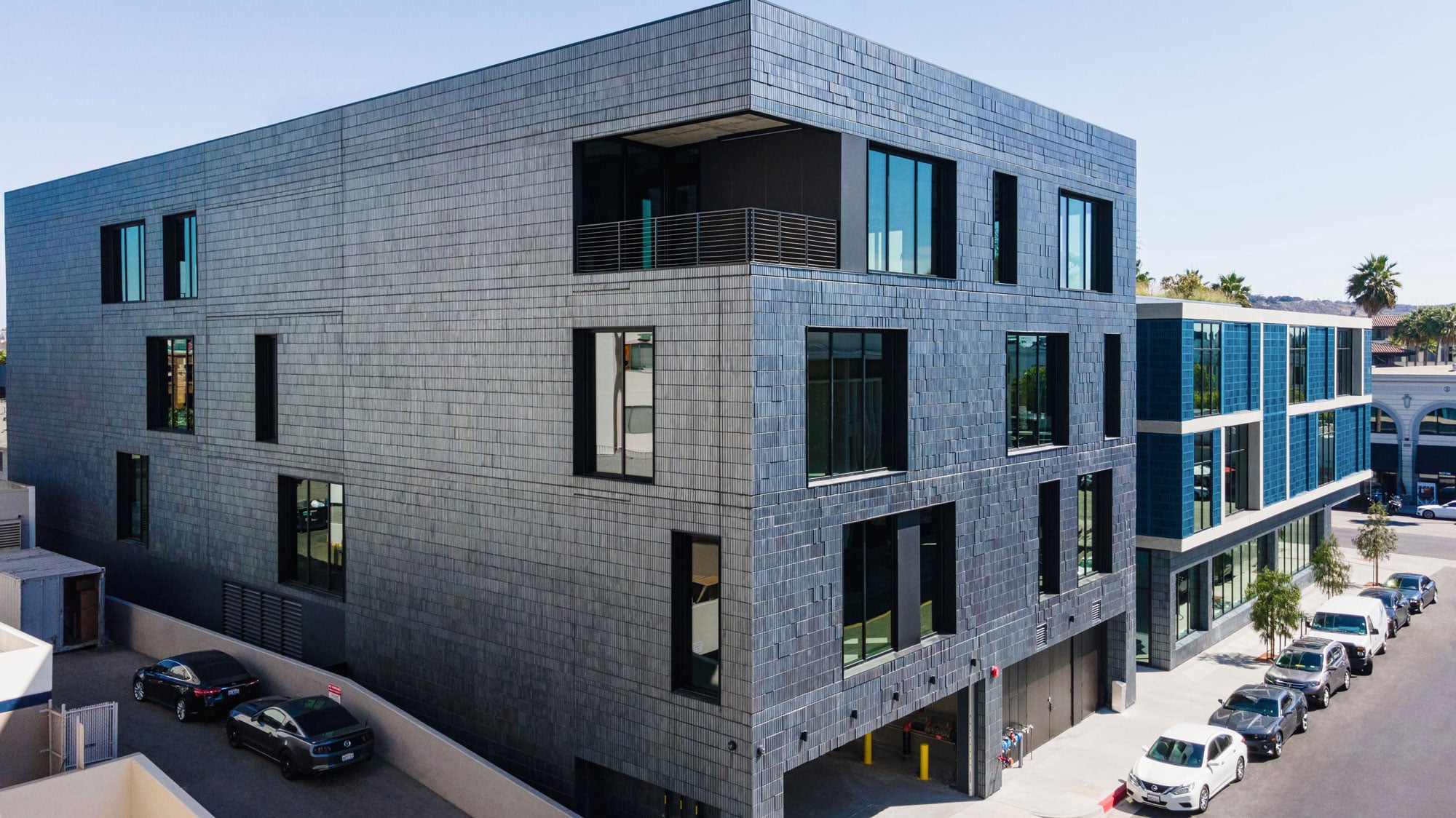
2. Brick Veneer

grey brick veneer installed over exterior cinder block walls of this exterior facade
Black Face Brick Veneer installed over exterior cinder block walls on this facade

Brick veneer can significantly improve the appearance of cinder block walls by giving them a timeless architectural style. Like stone veneer, brick veneer allows homeowners to achieve the look of traditional masonry without rebuilding the wall itself. Here are the various types of brick veneer, along with installation guidelines and techniques for achieving a clean, professional finish.

Types of Brick Veneer

  • Thin Brick Veneer: Thin slices of real brick are cut from traditional brick units, providing the authentic texture and color variation of full brick with much less weight.
  • Manufactured Brick Veneer: This alternative is typically made from concrete and pigments to replicate the appearance of real brick. It is often lighter and easier to install than natural brick.
  • Panelized Brick Systems: Some brick veneer products come mounted on panels or modular systems, allowing for faster installation while maintaining a traditional brick appearance.

Installing Brick Veneer on Cinder Block Walls

  1. Surface Preparation: Begin by cleaning the cinder block wall thoroughly to remove dust, dirt, or debris. In many cases, a moisture barrier or metal lath may be recommended, particularly in humid climates.
  2. Application of Adhesive or Mortar: Prepare mortar or thinset according to the manufacturer’s instructions. Apply a layer of adhesive to the wall or the back of the brick veneer before placing each unit.
  3. Brick Placement: Installation typically begins at the bottom of the wall and moves upward. Each brick should be firmly pressed into place while maintaining consistent spacing for mortar joints.

Techniques for a Natural and Seamless Appearance

  • Consistent Joint Spacing: Maintaining even spacing between bricks helps create a professional masonry appearance and improves the overall visual balance of the wall.
  • Blending Brick Colors: Mixing bricks from different boxes can help distribute color variations evenly and create a more natural-looking wall surface.
  • Cutting for Corners and Edges: A masonry saw can be used to cut bricks to fit around corners, windows, and other irregular areas.

Common Challenges and Considerations

  • Corner Treatments: Many brick veneer systems offer corner pieces that wrap around edges, helping replicate the look of full-depth brick construction.
  • Mortar Joint Finishing: After the bricks are installed, mortar is applied to fill the joints. Tooling the joints properly creates a finished look and helps shed water.
  • Sealing and Maintenance: While brick is highly durable, some installations may benefit from a breathable masonry sealant to help protect against moisture and staining.

Brick veneer offers a classic alternative to other wall coverings while maintaining the durability needed for exterior applications. When properly installed, it can dramatically improve the appearance of plain cinder block walls and give your home a traditional, long-lasting finish.

2. Climbing Plants

Kalahari TerraForm Granite used on a Garden Wall
Kalahari TerraForm on an Exterior Sitewall with stunning hanging plants draped across

Add climbing plants to your external cinder block walls for a cost effective option to change the look of a boring space. These plants transform ordinary cement block walls into living tapestries by adding vivid greens, lovely blossoms, and delicious aromas.

This is a how-to for choosing, growing, and trimming climbing plants for your concrete block walls.

Suitable Climbing Plants for Cinder Block Walls

Think about growth patterns, sunshine, and the environment while selecting climbing plants. Here are a few well-liked varieties:

  • English Ivy (Hedera helix): Adaptable to many climates, hardy, evergreen, and happy in both sun and shade.
  • Clematis: Huge, lovely flowers that need well-drained soil and full sun instead of partial shade.
  • Climbing Roses: Gorgeous flowers with a sweet scent; needs full sun and frequent trimming.
  • Bougainvillea: Bright hues, ample sun, and warm conditions are ideal for this plant.
  • Jasmine (Jasminum spp.): Aromatic blooms that thrive in warm areas with full to partial sun.
  • Wisteria: a vigorous plant that produces cascading blossoms; best in sunny locations but requires strong support.

Selecting and Planting Climbing Plants

  1. Soil Preparation: Make sure the soil is rich and drains effectively. Use compost to amend sandy or heavy clay soil.
  2. Distance: Give plants three to five feet of space between them for good growth.
  3. Planting: Create a hole that is the same depth but twice as wide as the root ball. Soil backfill, plant, and water well.
  4. Supporting Structure: A few inches from the wall, set up trellises, wires, or mesh to let air circulate and stop water damage.

Training Climbing Plants

  • Using Wires and Trellises: Run wires horizontally across the wall or install trellises. Use garden twine or gentle ties to secure the main stems.
  • Mesh Supports: Weave stems through the mesh after firmly fastening it to the wall.
  • Regular Maintenance: To preserve shape and encourage healthy development, regularly monitor growth, mentor new sprouts, and trim dead or excessive branches.

By carefully choosing and caring for climbing plants, you can add a lush, green covering to your cinder block walls, improving the outside beauty of your home and infusing your surroundings with the peacefulness of nature.

Artificial Coverings

Manufactured Stone Veneer

Due to their remarkable ability to imitate natural materials, affordability, and ease of installation, artificial coverings are becoming more and more popular among homeowners.

These solutions provide a valuable and affordable means of improving the appearance of cinder block walls without compromising their longevity or elegance. Here are the two best artificial coverings that you should use:

3. Faux Stone Panels

With a wide selection of colors, textures, and patterns, faux stone panels are an adaptable and affordable substitute for real stone. They are a great option for improving cinder block walls since they may accommodate a wide range of aesthetic preferences.

Selecting and Purchasing Faux Stone Panels

  • Panel Thickness and Size: Choose panels that complement the size of your wall and the style you want. Thicker panels can achieve more depth and realism.
  • Colors and Textures: Pick a look that complements the exterior of your house. Faux stone panels come in many different designs, from elegant river rock to rustic ledgestone.
  • Method of Installation: Choose between panels that are fastened with screws, adhesives, or a combination of the two.

Installing Faux Stone Panels on Cinder Block Walls

  1. Surface Preparation: Thoroughly clean and clear any dirt or debris from the cinder block wall. Make sure the surface is dry before proceeding.
  2. Applying Adhesive or Screws: Place adhesive or screws according to the manufacturer’s recommendations. Apply adhesive evenly on the back of each panel if you plan to use it. Mark and drill pilot holes in the wall for screws.
  3. Panel Alignment for a Smooth Finish: Make sure every panel in the wall is level as you work your way up from the bottom. To set the glue or tighten screws as necessary, press down firmly.

Enhancing the Realism of Faux Stone Panels

  • Using Caulk or Grout: To replicate mortar joints, fill in the spaces between panels with caulk or grout. Select a hue that complements or enhances the panels.
  • Blending Panels: To minimize color shifts and provide a more organic look, combine panels from several boxes.

Following these instructions can give your cinder block walls a gorgeous, authentic stone appearance. Faux stone panels are a reasonably priced and simple-to-install alternative that may drastically change the outside of your house with little work.

4. Vinyl Siding

Vinyl siding is an enduring and low-maintenance choice for covering external cinder block walls. It is a sensible option for improving the external appearance of your home because it provides good resistance to fading, weathering, and moisture damage.

Styles and Profiles of Vinyl Siding

There are numerous kinds and profiles of vinyl siding that can be used with different architectural designs.

  • Clapboard: Perfect for historic and colonial-style homes, it has long, horizontal panels that overlap one another.
  • Dutch Lap: Decorative grooves provide depth and shadow lines to the clapboard, making it an excellent choice for historical and craftsman-style homes.
  • Board and Batten: Vertical panels that alternate between wide and narrow boards to create a farmhouse or rustic aesthetic.

Installing Vinyl Siding on Cinder Block Walls

  1. Wall Surface Preparation: Give the cinder block wall a thorough cleaning, making sure that all dirt and debris are gone. Make sure it’s a dry surface.
  2. Furring Strips and Insulation: To create a nailing surface, use masonry screws to fasten vertical furring strips to the wall. As an alternative, add more thermal protection by installing rigid foam insulation.
  3. Attaching Siding Panels: Start by fastening a starting strip at the base of the wall. Make sure the furring strips are level before nailing the first row of siding panels to them. As directed by the manufacturer, overlap the following rows to allow for expansion and contraction.

Common Challenges and Considerations

  • Corner and Edge Treatments: To guarantee a polished appearance, use matching corner posts and trim pieces. Fasten these parts before assembling the main siding panels.
  • Expansion and Contraction: To account for temperature variations and avoid warping or buckling, provide tiny spaces between panels.
  • Compatibility with Other Exterior Finishes: For a unified look, make sure the vinyl siding matches other materials like stone or brick.

Following these steps, you can successfully add vinyl siding to your cinder block walls and create a long-lasting, stylish, and low-maintenance exterior.

Vinyl siding is a flexible choice that can improve the external appearance of your house while offering strong weather resistance.

5. Stucco

For external cinder block walls, stucco is a flexible and long-lasting finish that offers a smooth or textured surface that can be customized to fit a variety of architectural styles and design preferences. Long-lasting protection that also improves outdoor space with visual attractiveness.

Types of Stucco Finishes

  1. Traditional Stucco: This traditional stucco has a textured, vintage appearance and is made of cement, sand, and water. It is quite resilient and may be painted with different colors.
  2. Synthetic Stucco (EIFS): This variety is made out of a synthetic finish and a foam insulating board. Compared to conventional stucco, it is lighter and offers superior insulation.
  3. Acrylic-Based Stucco: Made of acrylic resins, this stucco is less likely to break and is more flexible. It comes in a variety of hues and has a sleek, contemporary appearance.

Applying Stucco to Cinder Block Walls

  • Surface Preparation: Dust off any dirt or debris from the cinder block wall. Make sure the surface is just a little bit wet before stuccoing.
  • Mixing Stucco: Prepare the stucco mix as directed by the manufacturer. To get a thick consistency for conventional stucco, mix cement, sand, and water.
  • Applying the Base Coat: Using a trowel, apply a scratch coat (base coat), distributing the stucco uniformly across the surface. To improve the finish coat’s adhesion, use a scratching instrument to make grooves in the base coat. Give the base coat between 24 and 48 hours to cure.
  • Finish Coat Application: Mix the finish coat using a trowel and apply it on top of the cured base coat. Use several trowel techniques or brushes to create the desired texture or design. Allow the last coat to dry and cure fully.

Common Challenges and Solutions

  • Temperature and Moisture Control: Avoid applying stucco in extremely hot or cold temperatures, and make sure the substrate is slightly damp before application. Cover the stucco with protective materials to regulate the drying process.
  • Repairing: Seal cracks with a stucco repair product. Reapply a fresh coat of stucco to significant repairs so that it blends in smoothly with the original finish.
  • Complementing Current Finishes: When patching or extending stucco, use the same mix and application methods to match the current texture and color to create a seamless appearance.

Stucco is an excellent option for improving the outside of your house since it offers a long-lasting, adaptable finish that can turn cinder block walls into stunning architectural accents.

When it comes to any of the Artificial Covering options detailed above, all of them offer their own set of advantages and disadvantages as compared to any of the Natural Covering options, in particular when it comes to natural stone veneer vs a faux stone or stucco. Understand both the upfront and future costs associated with artificial covering options and compare that with an extremely durable product, such as stone veneer from the Surface Shop, when considering options to clad exterior cinder block walls.

Creative Finishes

Hand painted Creative Tile
Harvest Gold Limestone with Mortar Wash

Homeowners frequently want to add character and charm to their outdoor areas. Creative finishes are essential for achieving this. They turn simple cinder block walls into eye-catching elements that showcase individuality and inventiveness. Here are some creative finish ideas for covering cinder block walls.

6. Murals

Murals are a unique and customized approach to giving outside cinder block walls visual interest and individuality, turning them into breathtaking pieces of art.

They allow homeowners to showcase their artistic side and use their outdoor areas to create a striking impression.

Types of Murals

  1. Hand-Painted Murals: Ideal for people who are creative or who desire a unique design. These murals have the potential to be quite detailed and customized.
  2. Stenciled Murals: These are perfect for people looking for a more methodical approach. With minimal work and expertise, stencils can produce intricate patterns and designs.
  3. Digitally Printed Murals: Ideal for people who value accuracy and specificity. These can be applied to the wall after being expertly printed on weather-resistant materials.

Inspiration and Themes

  • Nature Scenes: Add a little bit of the outdoors to your wall with images of gardens, wildlife, or landscapes.
  • Abstract Designs: combining patterns, colors, and shapes to provide a sleek, contemporary appearance.
  • Cultural References: Including aspects from several cultures, such as customs, well-known sites, or historical settings.

Maintenance and Longevity

  • Weather-Resistant Paints: To assure endurance, select premium weather-resistant home exterior paint made for outdoor usage.
  • Sealants and Coatings: To shield the mural from the weather and ultraviolet light, apply a transparent sealer or protective coating on top of it.
  • Periodic Cleaning: To maintain the mural’s vitality, clean it regularly using mild soap and water to remove dirt and grime.

Your cinder block walls can become eye-catching canvases that express your individuality and improve the visual appeal of your house and basement walls if you choose murals for the retaining walls.

Murals provide countless opportunities for creativity and personalization, regardless of whether you choose a digitally produced image or a hand-painted masterpiece.

DIY Solutions

Surface Shop Ochre Panel Installation DIY Bathtastic Show
Ochre Stacked Stone Rock Panels are an expedient and DIY friendly way to cover block Walls

Thanks to the growing trend of do-it-yourself home remodeling projects, an increasing number of homeowners are taking great joy in finishing DIY projects with their own hands. It’s a wonderful chance to let your imagination run wild and customize outdoor areas using a variety of materials and a solution that is budget-friendly.

7. Wood Panels

When it comes to covering outside cinder block walls, wood panels are a practical and fashionable choice. They enhance any outdoor space with warmth, texture, and organic beauty. They may turn an ordinary wall into a focal point that complements a variety of interior design motifs.

Types of Wood Panels

  • Reclaimed Wood: Provides an original and rustic appearance. Although environmentally beneficial, it could need additional upkeep.
  • Cedar: Known for its innate resistance to insects and rot, cedar is low maintenance and long-lasting.
  • Composite Materials: These panels are made of plastic and wood fibers, which makes them incredibly resilient, low-maintenance, and moisture-resistant.

Installing Wood Panels on Cinder Block Walls

  1. Surface Preparation: Give the wall made of cinder blocks a good cleaning. Put on a coat of waterproofing to keep moisture out. Furring strips can be fastened to the wall vertically to provide a nailing surface by using masonry screws.
  2. Attachment Techniques: Press the wood panels firmly onto the furring strips after applying construction glue to their backs. An even stronger hold can be achieved by fastening the panels to the furring strips with screws.
  3. Finishing Techniques: To bring out the natural grain and offer more protection, apply wood stain. Utilize exterior-grade paint to blend in or stand out from your current interior design.

Common Concerns and Considerations

  • Expansion and Contraction: To account for variations in humidity and temperature, leave little spaces between panels.
  • Appropriate Ventilation: To avoid rot and mold, make sure there is adequate room for air circulation behind the panels.
  • Suitable for Use with Other Finishes: For a unified appearance, make sure the wood panels complement other materials like vinyl siding or stone.

These instructions will help you add wood panels to your cinder block walls, giving the outside of your house a fashionable and valuable feature. In addition to being aesthetically pleasing, wood panels improve the atmosphere of your outdoor areas.

Frequently Asked Questions

The most affordable way to cover an exterior cinder block wall is typically masonry paint or a thin parging coat. Paint is inexpensive and can dramatically improve the appearance of a block wall while protecting it from moisture and weathering. Other budget-friendly options include climbing plants, vertical garden systems, or decorative wall panels. While these approaches are cost-effective, homeowners looking for a long-term architectural upgrade often choose materials like stone veneer or brick veneer because they provide a more durable and high-end finish.

The best way to improve the appearance of a cinder block wall is to cover it with a material that adds texture and visual depth. Natural stone veneer is one of the most popular choices because it transforms plain concrete block into a natural stone facade that looks like full masonry construction. Other effective options include stucco, brick veneer, wood cladding, or decorative metal panels. The best choice depends on the architectural style of the home, the budget, and how permanent the solution needs to be.

Yes. Concrete block walls are actually an excellent substrate for installing natural stone veneer because they provide a strong, cementitious surface for the mortar to bond to. In most installations, the block wall is first cleaned and prepared, then a scratch coat or adhesive mortar is applied before the stone veneer pieces are installed. Proper moisture management and installation techniques are important to ensure the veneer performs well and lasts for decades.

There are several materials that can be installed over an exterior concrete block wall, including natural stone veneer, brick veneer, stucco, wood siding, metal cladding panels, and decorative concrete coatings. Landscaping features like climbing plants or vertical garden systems can also soften the appearance of the wall. Because block walls are structurally strong, they can support many durable exterior cladding systems that dramatically improve curb appeal.

Final Thoughts

Covering your external cinder block walls is a great way to add curb appeal to your house, offer low-maintenance options, and let your inner do-it-yourselfer go. These suggestions not only improve your home’s visual appeal but also provide durable, workable solutions.

There is a suitable alternative for every taste and budget, whether you prefer the rustic appeal of wood panels, the creative freedom of murals, or the timeless elegance of stone.  Here at the Surface Shop we are partial to natural stone veneer products for their unparalleled durability and timeless look that will never go out of style.

Are you prepared to update your cinder block walls? Check out all these choices to find one that best suits your outside area and visit The Surface Shop for assistance and more details. Let’s create an exterior for your house that really pops!

Table of Contents
    Add a header to begin generating the table of contents

    Natural Stone Cladding for your Exterior Cinder Block Walls

    Create stunning Natural Stone fireplaces using our award winning pallet of products. Contact a Surface Shop Pro today to get your samples and pricing.

    Other Articles You Might Like

    At Surface Shop, we believe there is a story behind every surface. That’s why we created Surface Culture, an industry leading digital publication that covers a range of topics from How To Guides to Architectural Trends in the world of luxury architectural finishes Browse our articles to dial in your knowledge of how surfaces impact architectural design, or simply use them to get inspired. Either way, we hope you enjoy, and wish you well on your journey toward appreciating materiality in architecture.